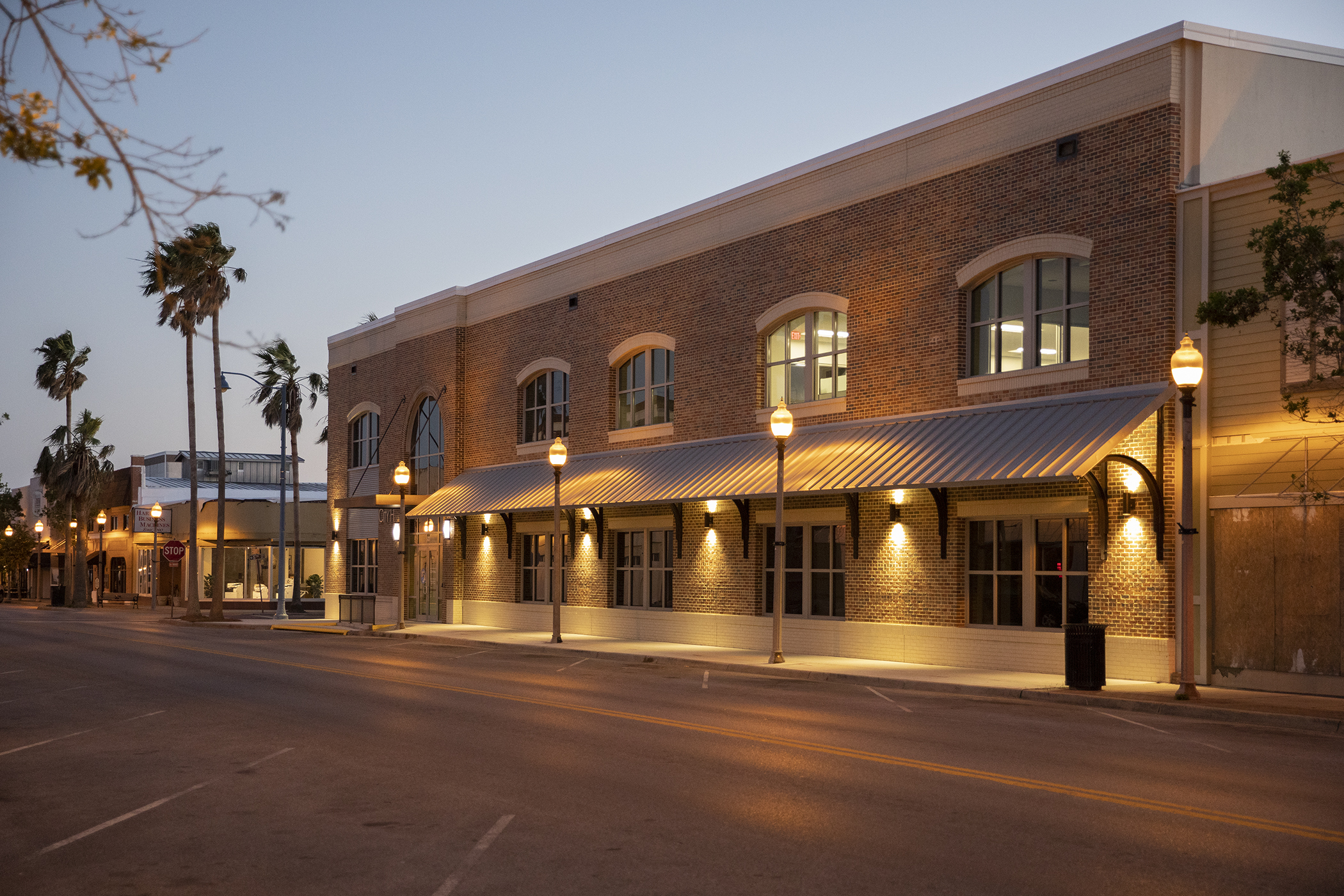
Transforming an existing bank building in downtown Panama City to a new City Hall, marked the beginning of the city’s effort to revitalize its downtown and marina areas. The renovation of the 58,000-square-foot Trustmark Building enabled the city to consolidate most of its services under one roof.
This prominent downtown location and design set a new benchmark for architectural excellence in the area. A redesigned exterior skin not only elevated the building’s street presence, but also maximized natural light in the interior, significantly improving the energy efficiency of the envelope system. This renovation aimed to inspire future developments and enhance the overall aesthetic of the downtown district.
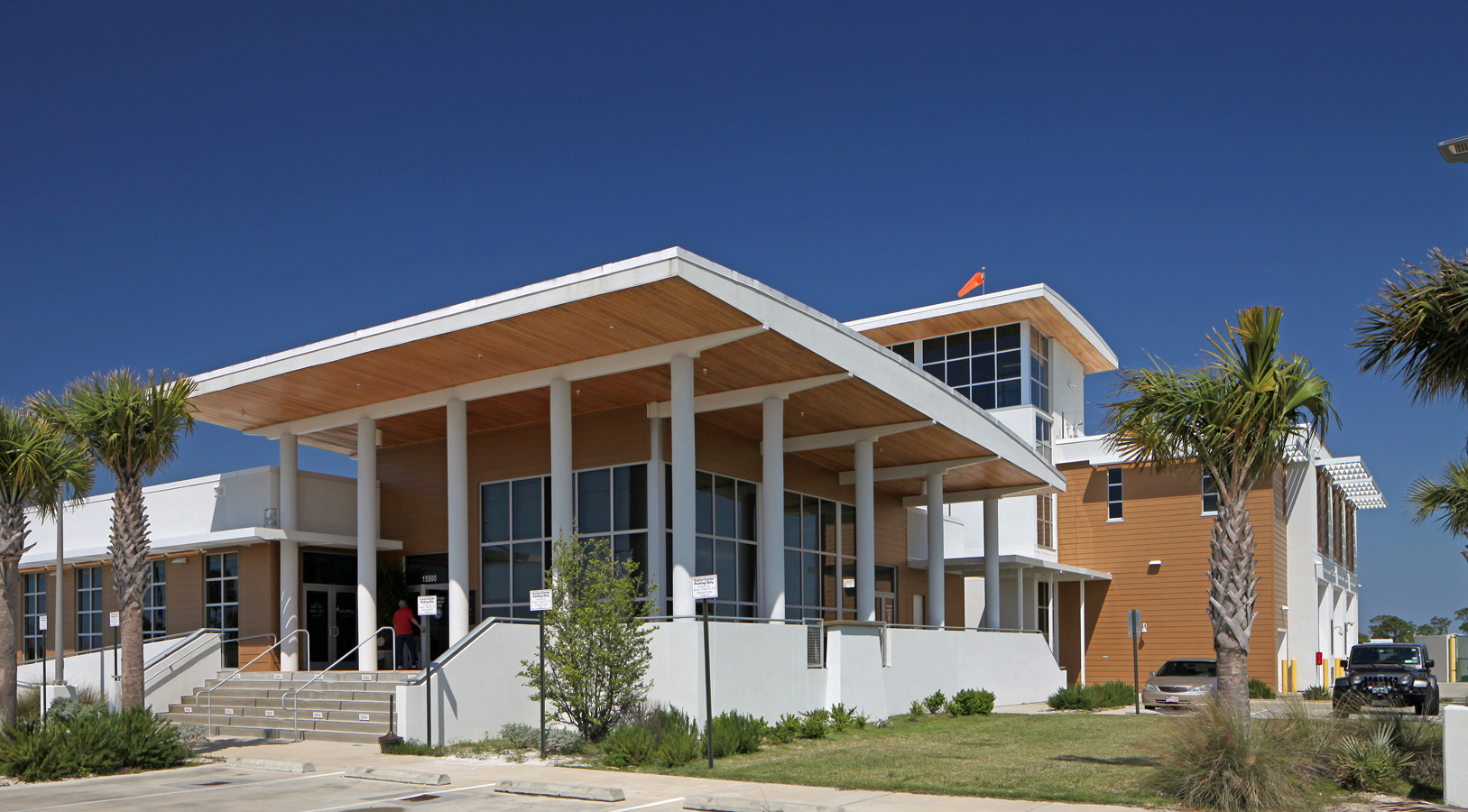
Perdido Key, Florida, a barrier island prone to flooding during severe weather, needed a new fire station and community center. The new facility design was elevated above the surge zone to ensure the critical infrastructure would be safe for emergency operations during storm events. The design includes a three-bay fire station, a visitor information center, and a versatile community room for meetings, safety training, and emergency response coordination. Additionally, a helipad was constructed on the station’s roof to ensure access for airborne services in case the coastal highway becomes inaccessible.
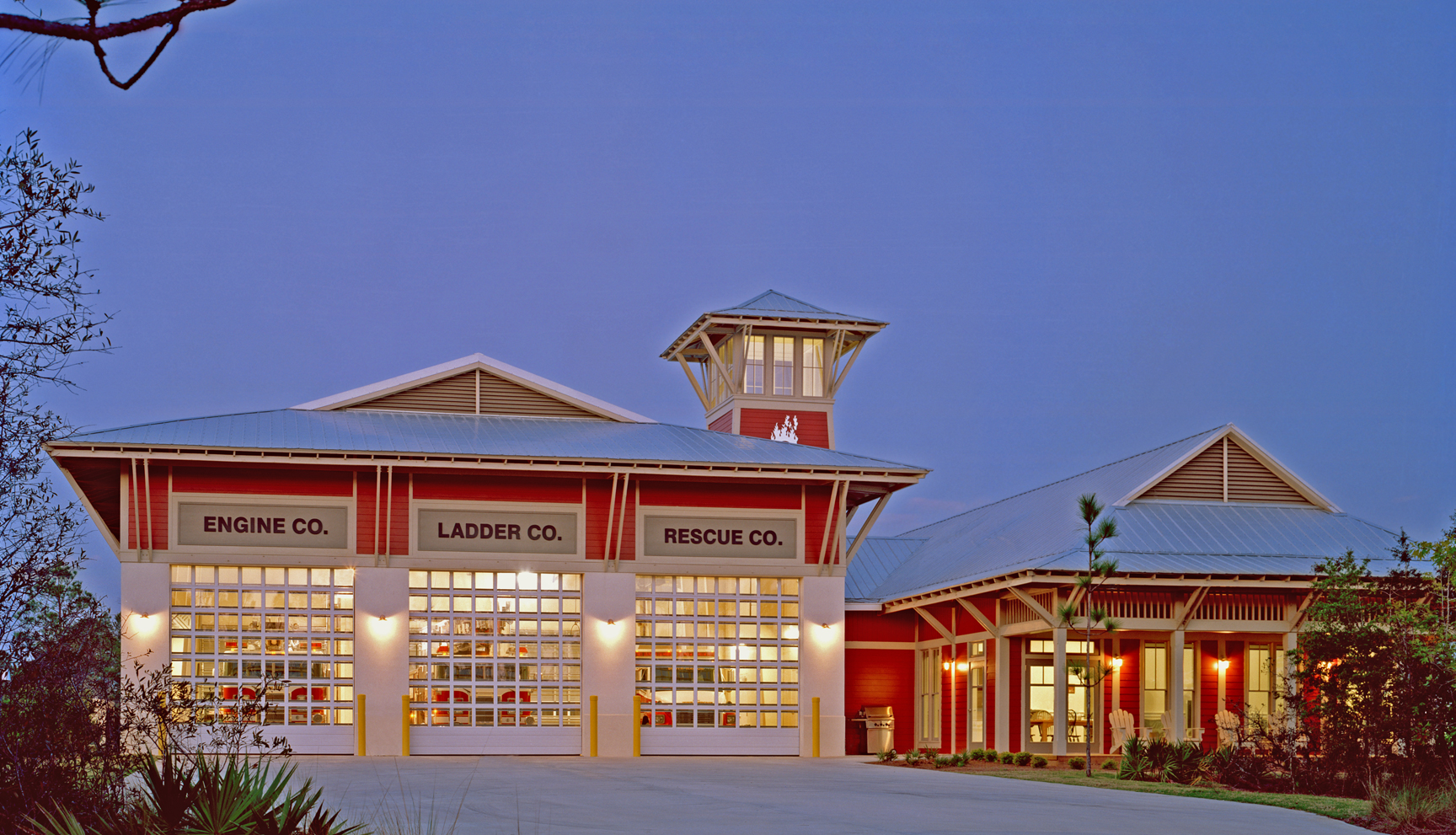
The Watercolor Fire Station, situated in a picturesque coastal community, features a southern vernacular style, characterized by wide porches, overhanging metal shed roofs, and a central tower. Spanning 5,200 square feet, the state-of-the-art facility supports both emergency response and beach rescue operations in this popular resort area. Its board and batten design and watchtower reflect the aesthetic of the beach community it serves, seamlessly blending with the local architectural character.
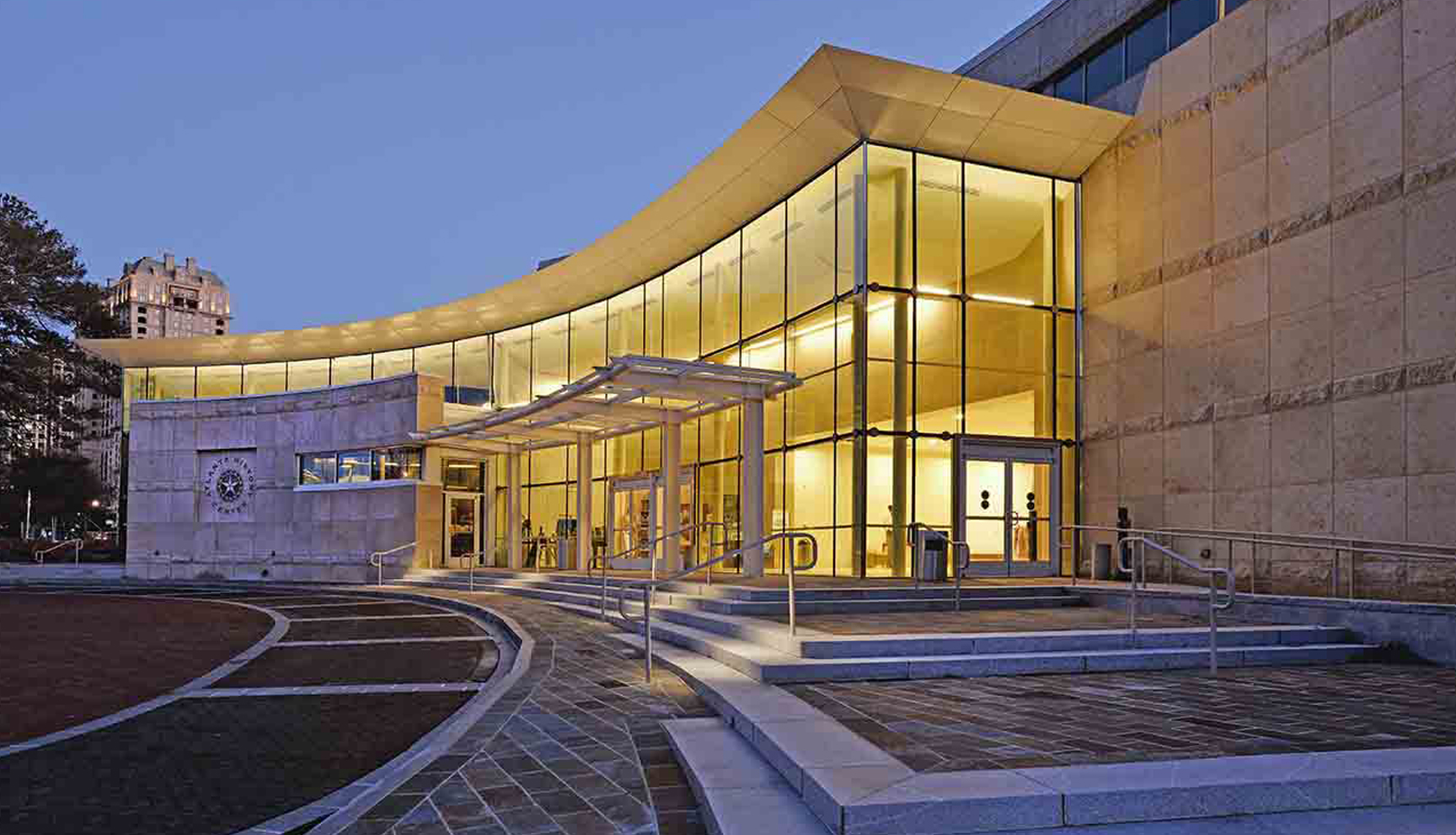
The museum renovation of the Atlanta History Center and Cyclorama included the redesign of both the exterior and interior of the facility as well as an addition for a historic painting. The surrounding landscaped grounds have long served as a unique invitation to museumgoers to enjoy the history of Atlanta. As a means of celebrating the gardens through architecture, guests are greeted through a series of concentric spaces defined by transparent and solid garden walls leading into the museum. The net result was a new entrance that served to complement the existing, adjacent Swan House, one of Atlanta’s greatest architectural treasures.
The exterior renovation created a new entrance, which reflects a stronger civic presence and provides a significant approach to the building. The new site design includes a formal arrival space and improvements to an existing motor court to ease pedestrian access to the existing parking deck. With two concepts at play, the front building façade is very open and welcoming, accentuating a two-story glass wall that creates a “lantern-like” presence along West Paces Ferry Road at night.
The interior program included an expanded lobby, a new bookstore, and restaurant. There is a special events area for 500 people, as well as improvements to visitor circulation, ceilings, and wall finishes in the public areas connecting to the exhibit galleries. The Allen Atrium, a two-story rotunda, is one of the key enhancements, providing the museum flexibility and expanded capabilities for artifact displays and other special programming and events.
Designed by Principal Larry Sweat while with a previous firm.